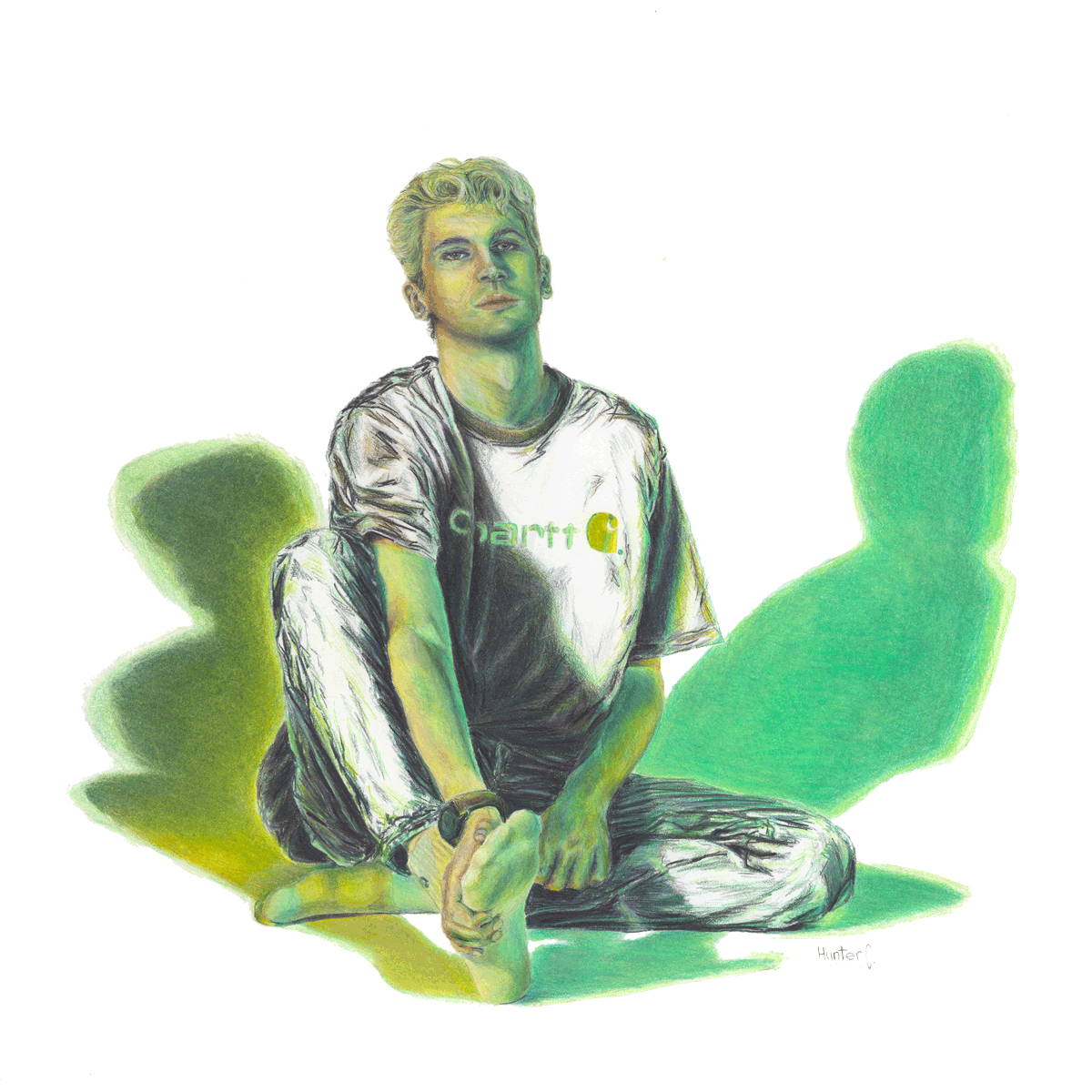
More Than A Moment.
Public Art & Design Activism
Addressing the stigma & dehumanization surrounding mental health identity.
More Than A Moment is the final series of my year-long Capstone project in design research, utilizing public art & design activism to address the stigma and dehumanization surrounding mental health identity.
Key barriers in research surrounding the topic highlight the impacts of stigma in society and the dehumanization of the complexities within the human experience. In a society prioritizing the classification of mental health, we have created a culture of isolation, evolving into a society where mental health labels become a lifelong identity and redact the human from the journey.
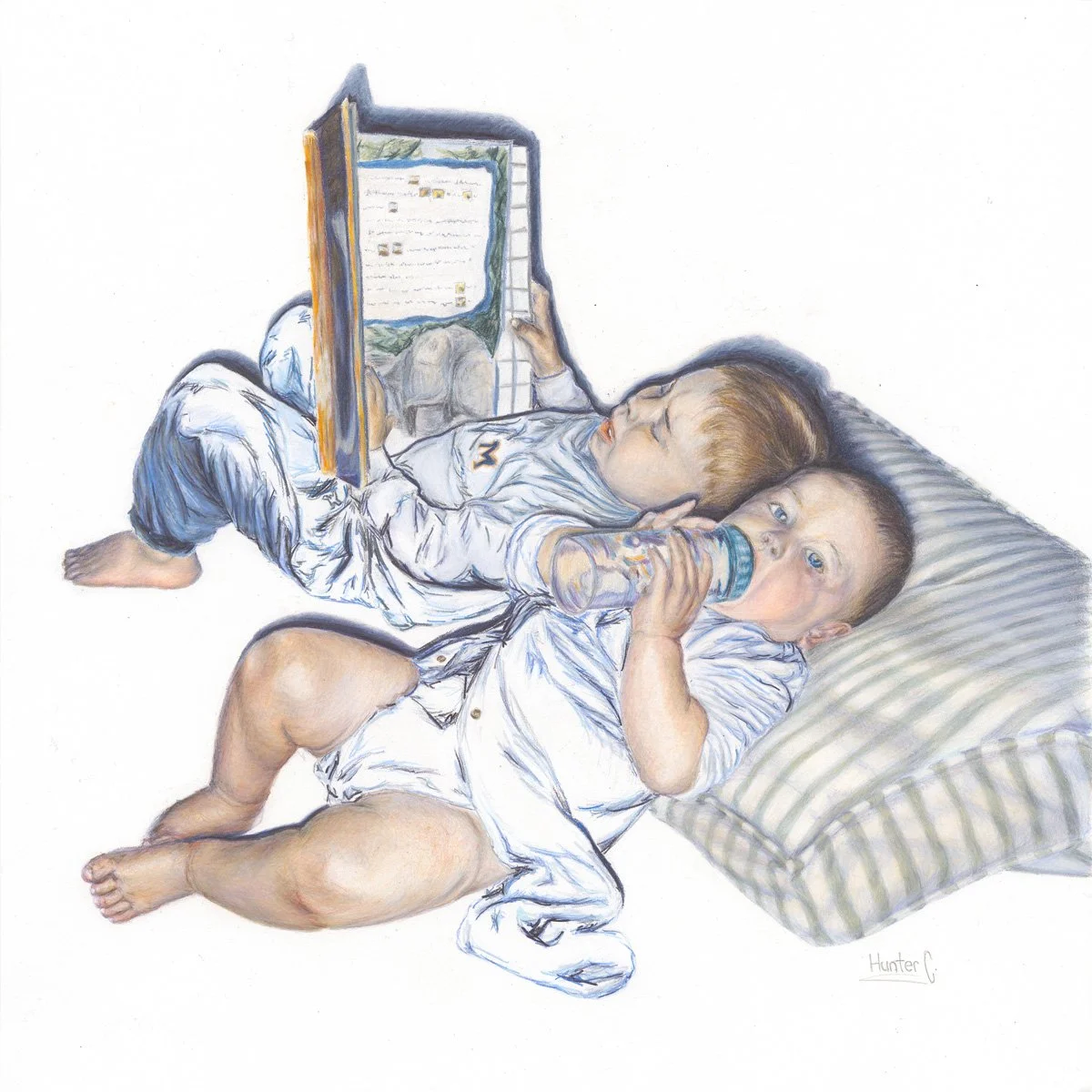
Questioning Identity.
Balancing
internalized conflicts
& nostalgic memory
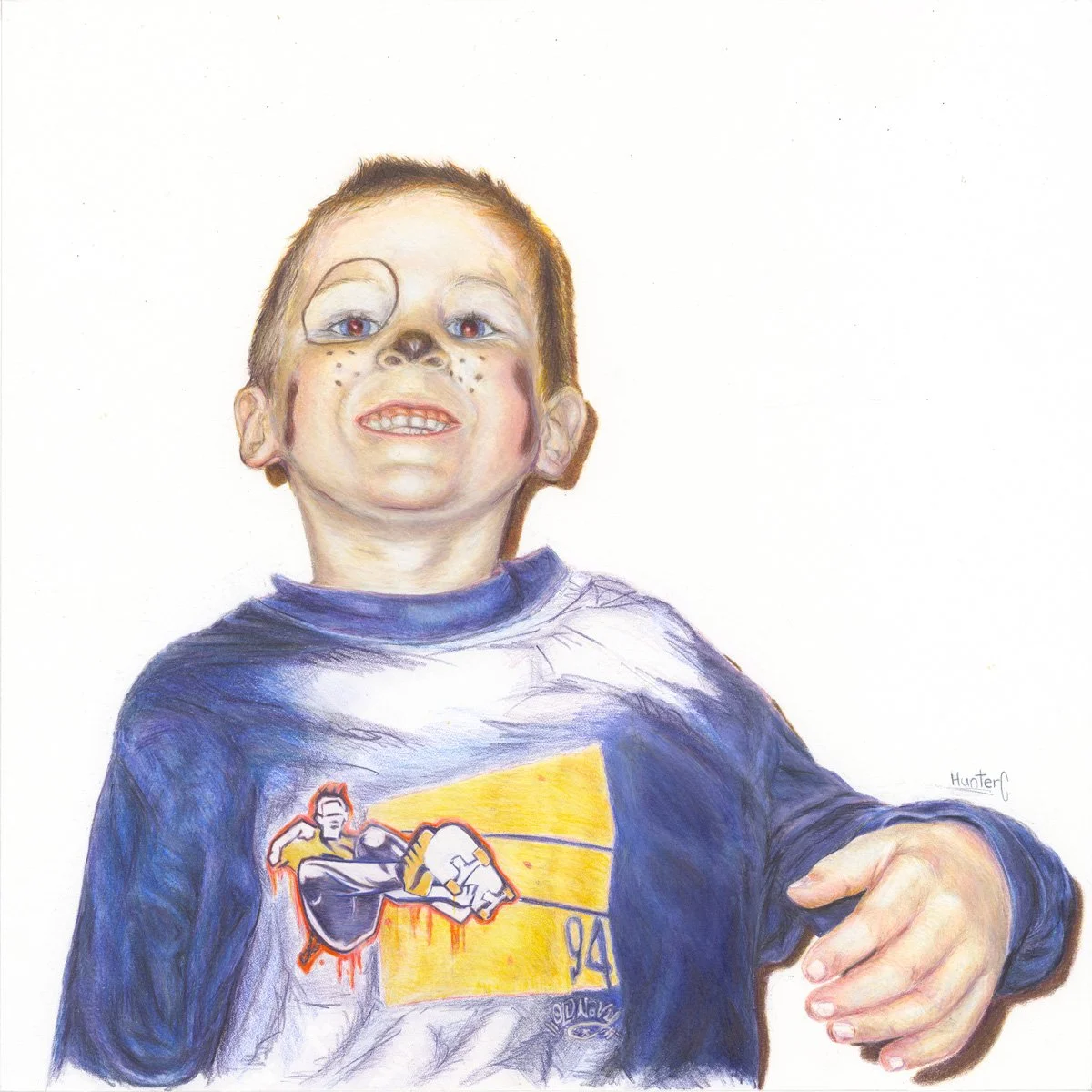
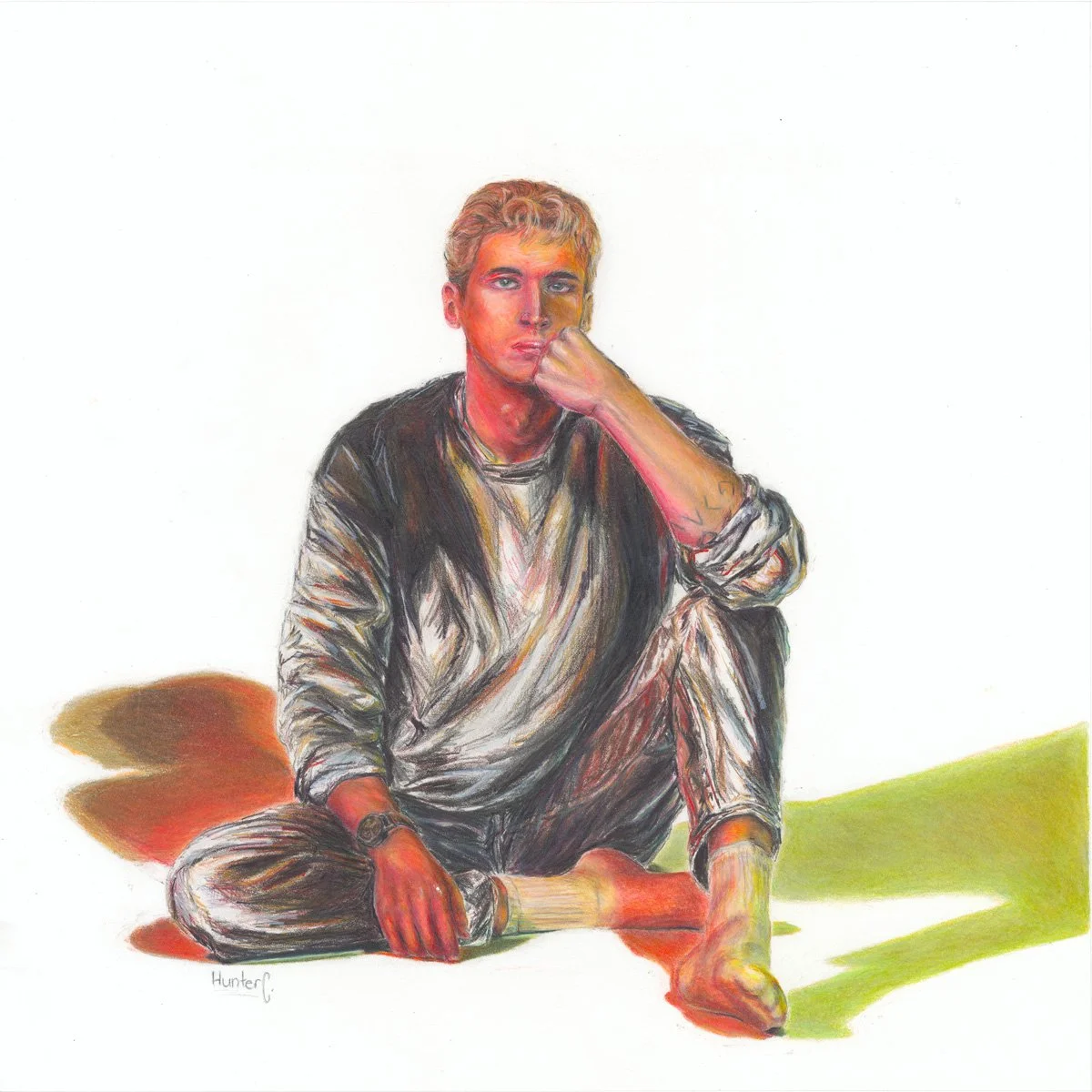
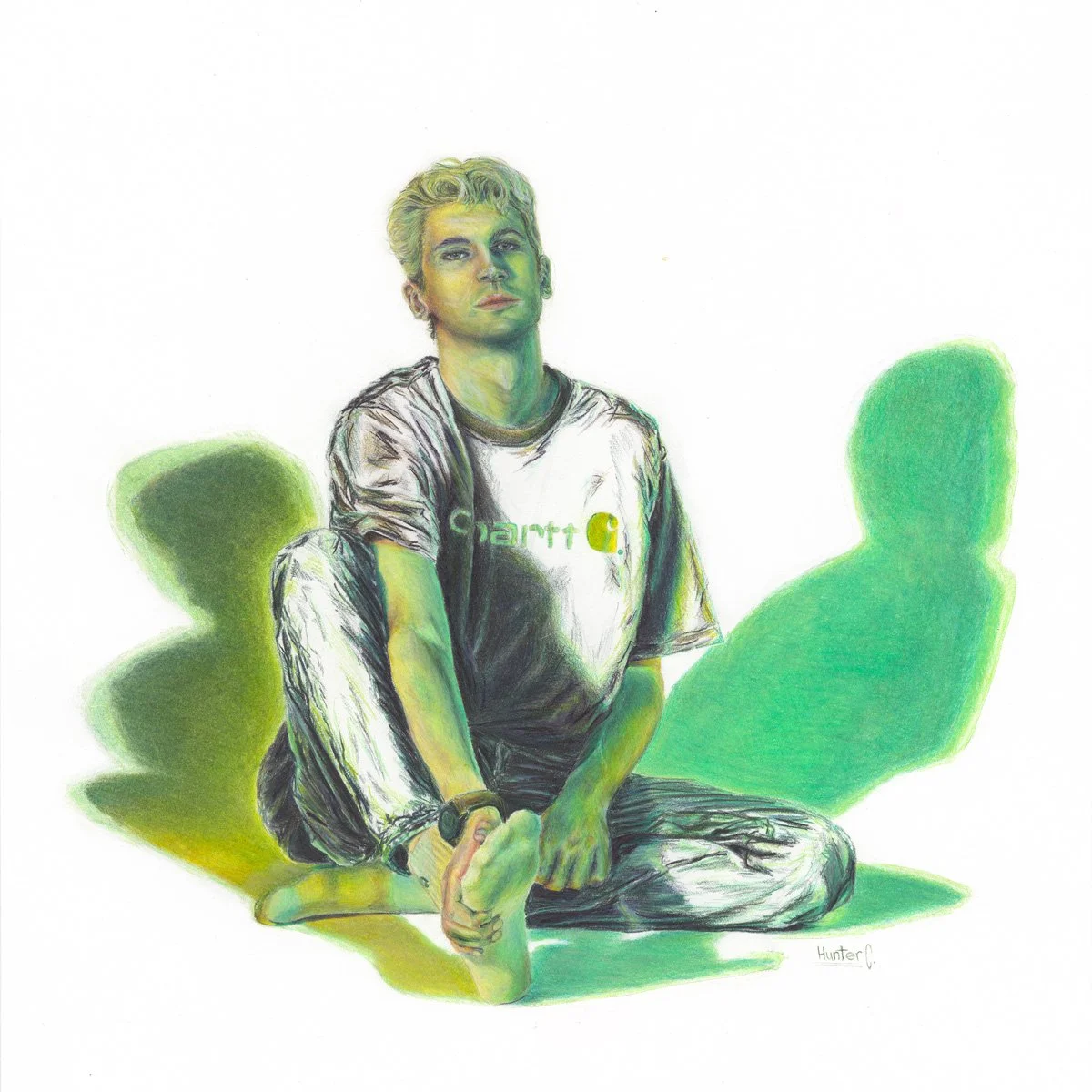
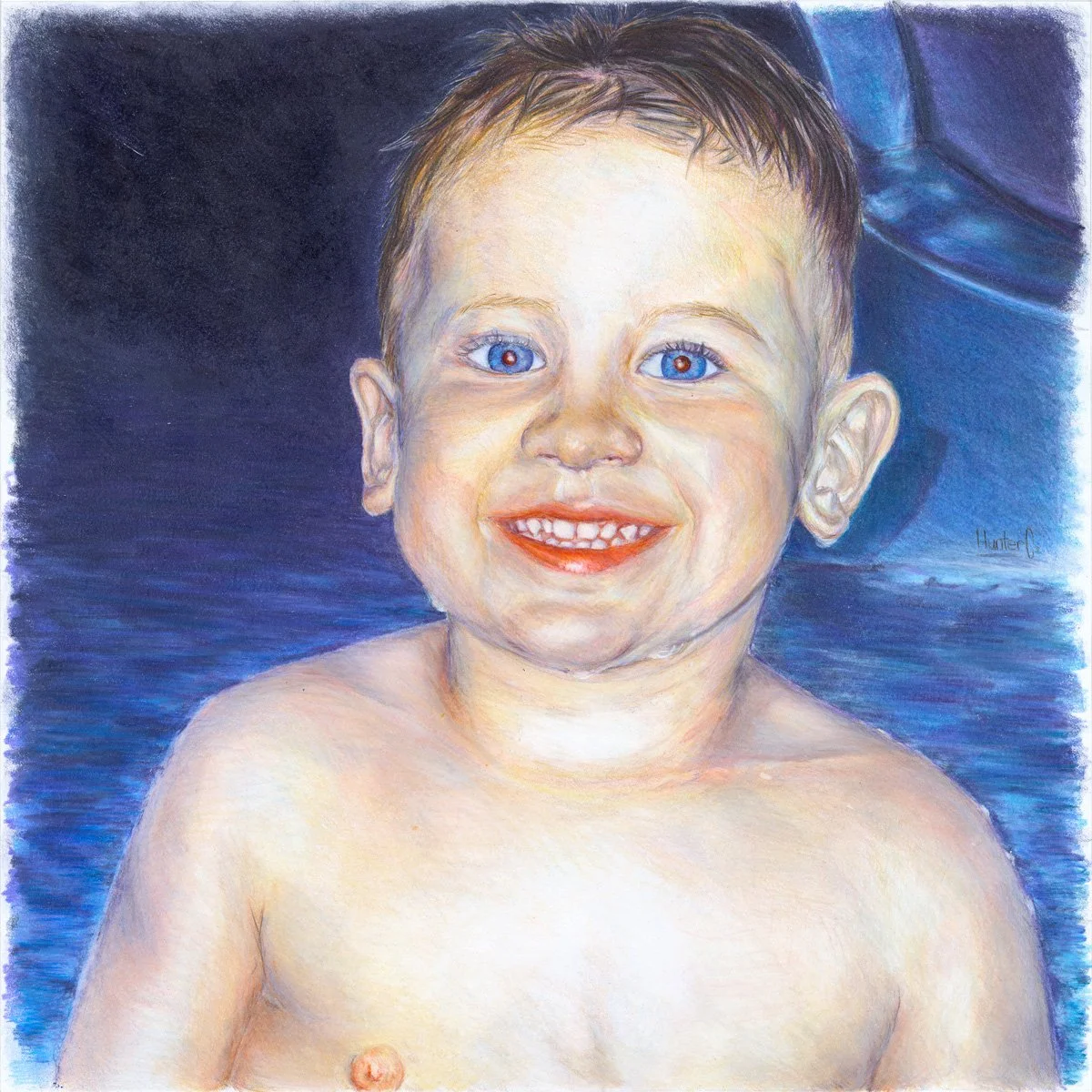
The final exhibition series showcases five 15×15 coloured-pencil illustrations that depict figurative representations of identity, conflicts within the self, and shared experience. Providing a journey balancing internalized conflict with nostalgic memory, encompassing the scope of a holistic mental health journey.
Each frame is paired with a quote, sourced from the project’s research participants, that reflects on feelings and moments of decline within the human experience, connecting experiences of decline as only a fragment to the whole.
Survey Results
Exploring quantitative feedback, among 40 participants on the impact of mental health-related issues, surveying the general population (age 18-55+).
83% of Respondents
78% of Respondents
Academic Readings.
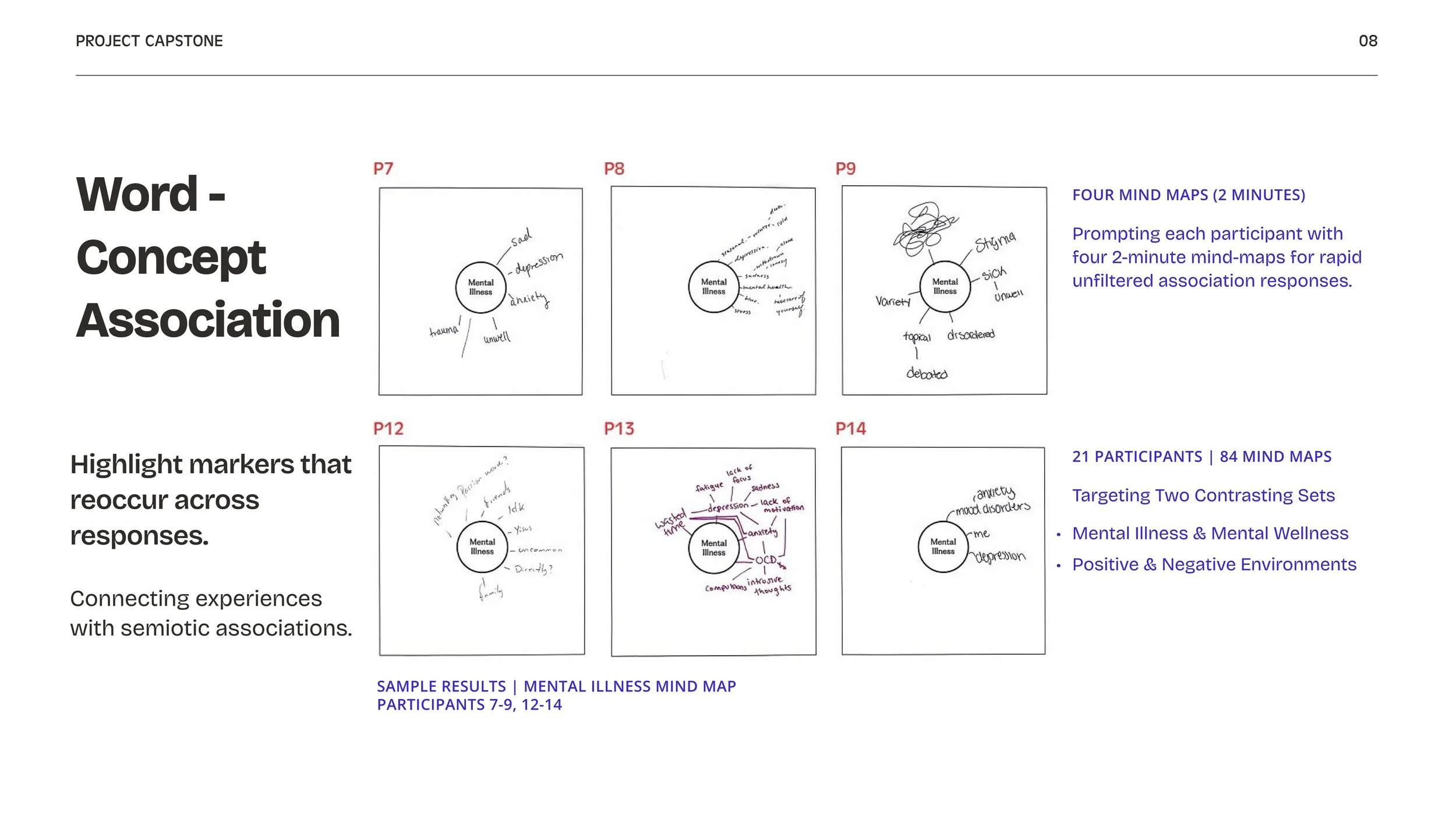
Sourcing information and directions of benefit through articles exploring mental health, art therapy, semiotic language, and design activism.
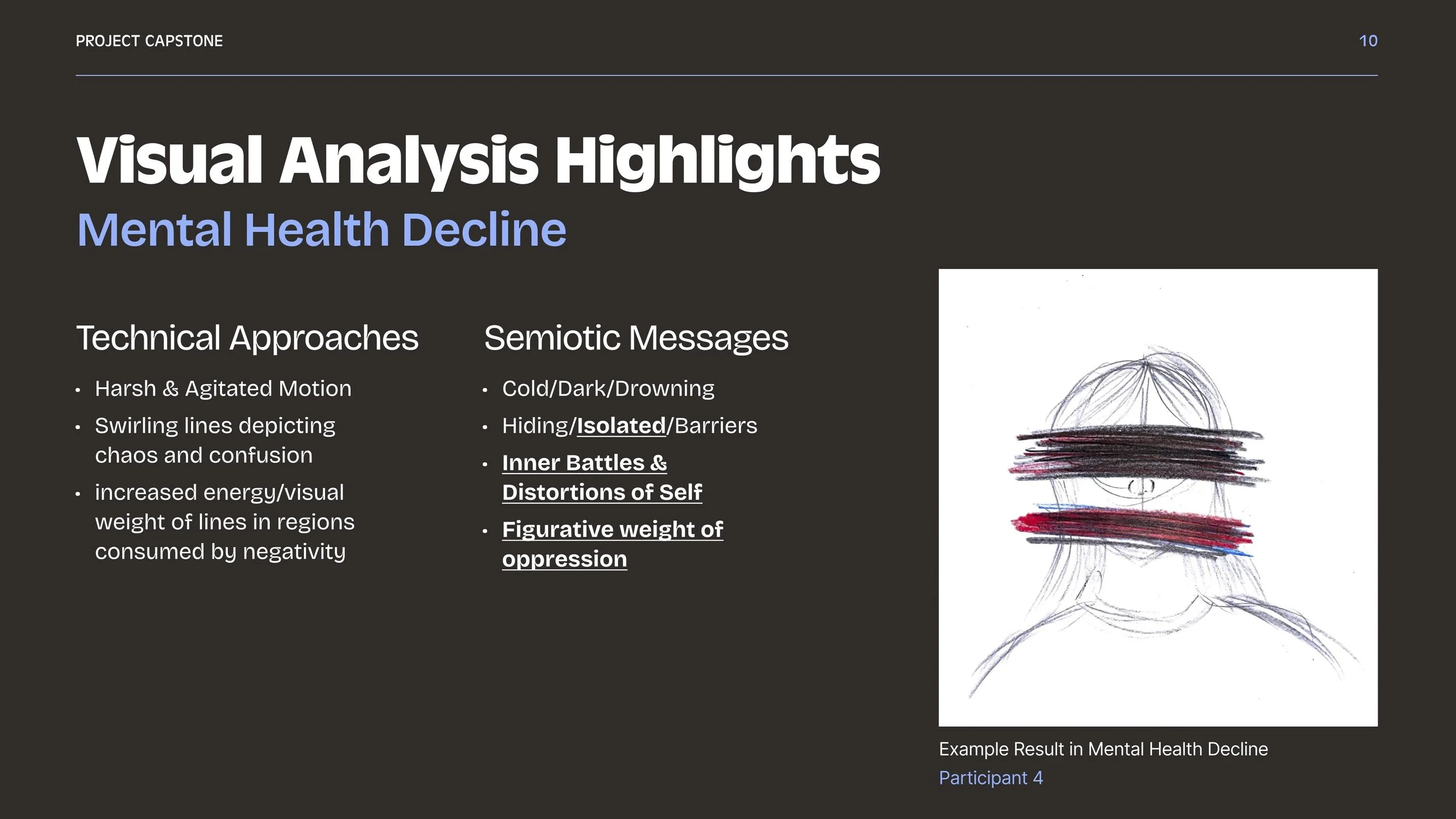
Sourced quotes show the symbolic, literal and figurative associations of complex emotional journeys within the human experience and how to approach mental health.
-
Patterns in thought associations to mental illness
"Art creates a safe space and non-stigmatizing medium where people can explore mental illness.”
-
The dangers of mental health labels extending into identity
“[Mental health] labels often become the identity by which people come to see themselves for the rest of their lives.”
-
Clarifying meaning without separation of the literal and figurative
“Creative art-making enables the use of visual metaphors which can aid expression of feelings, externalization of identity and personal learning.”
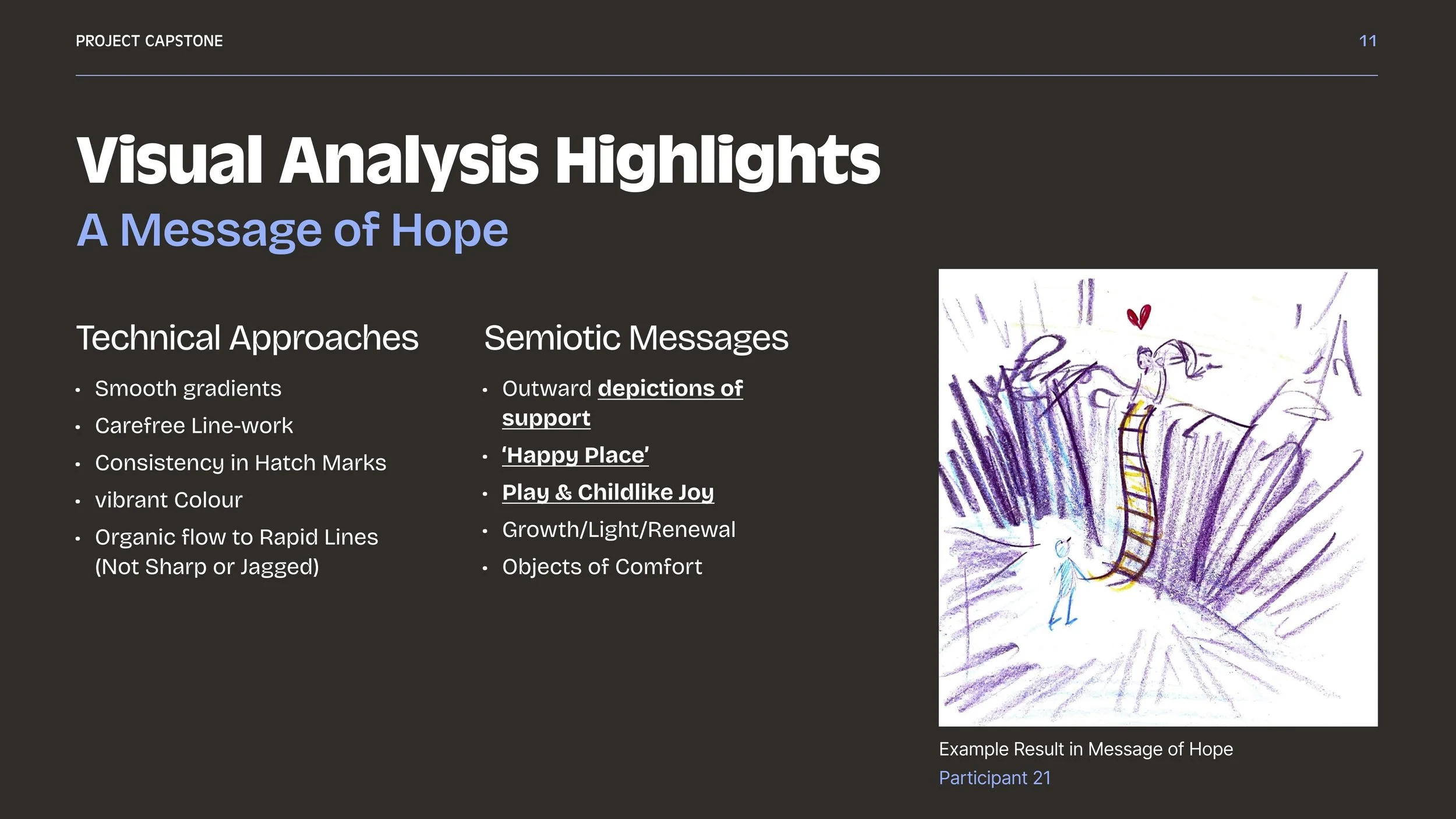
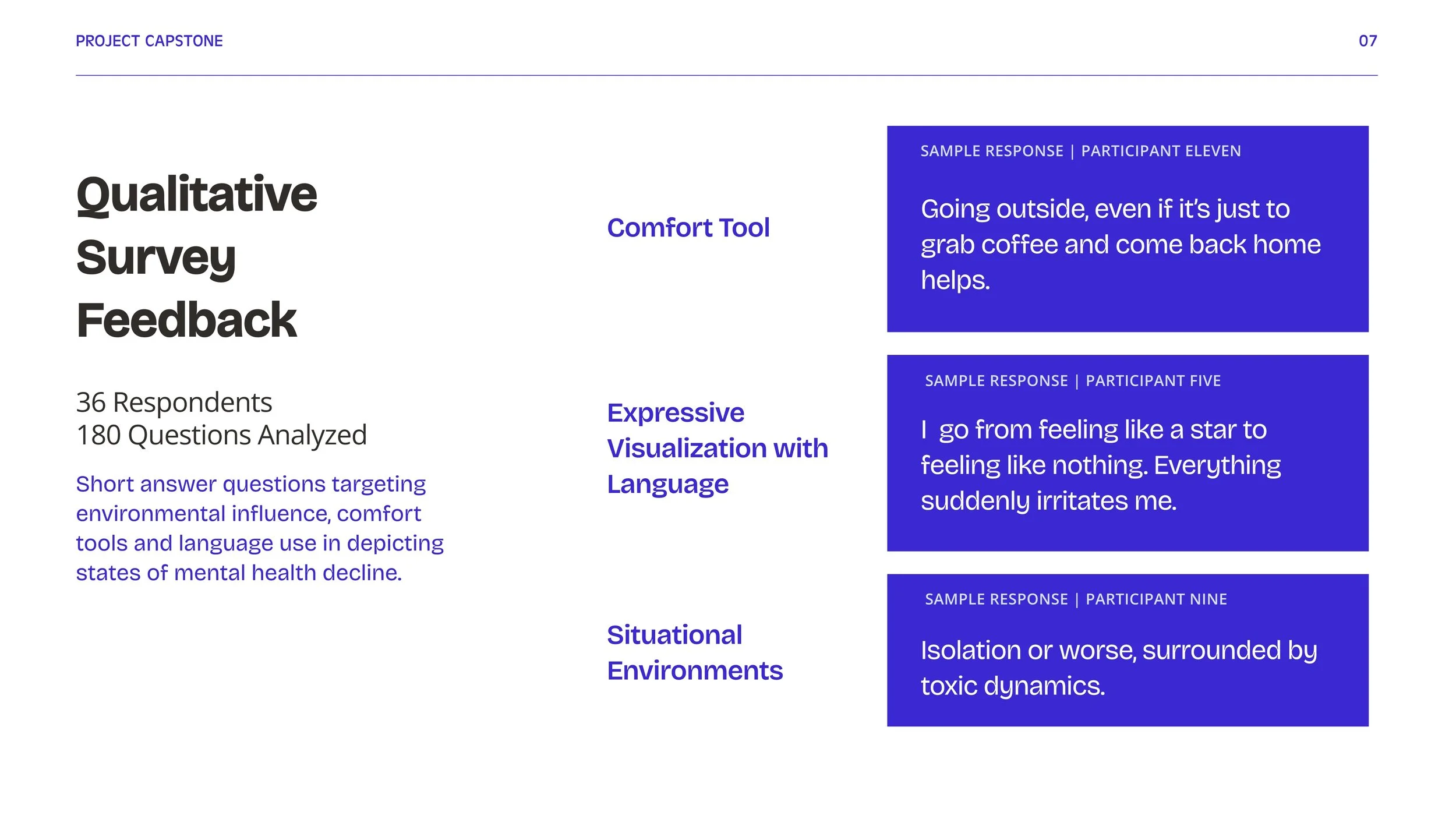
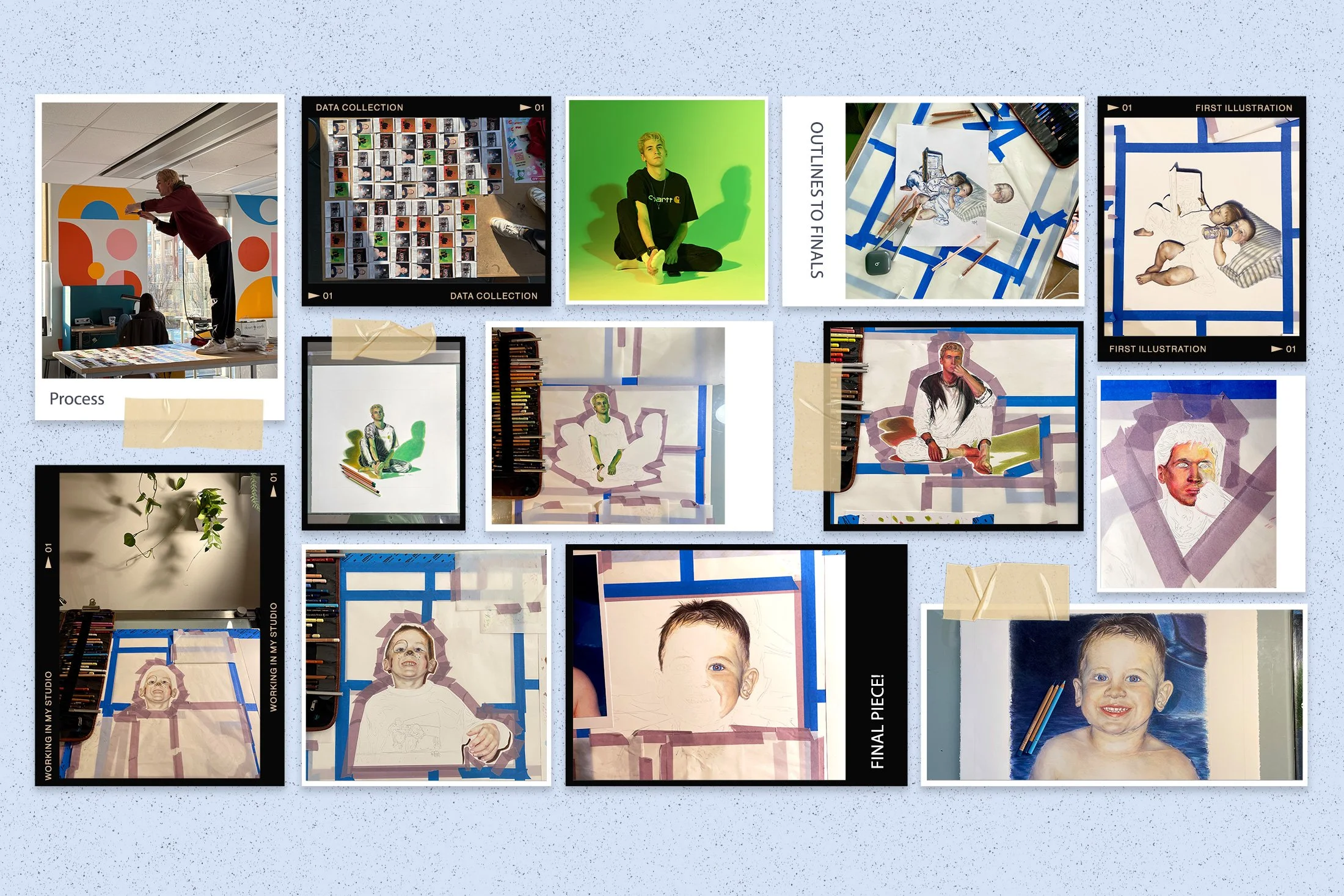
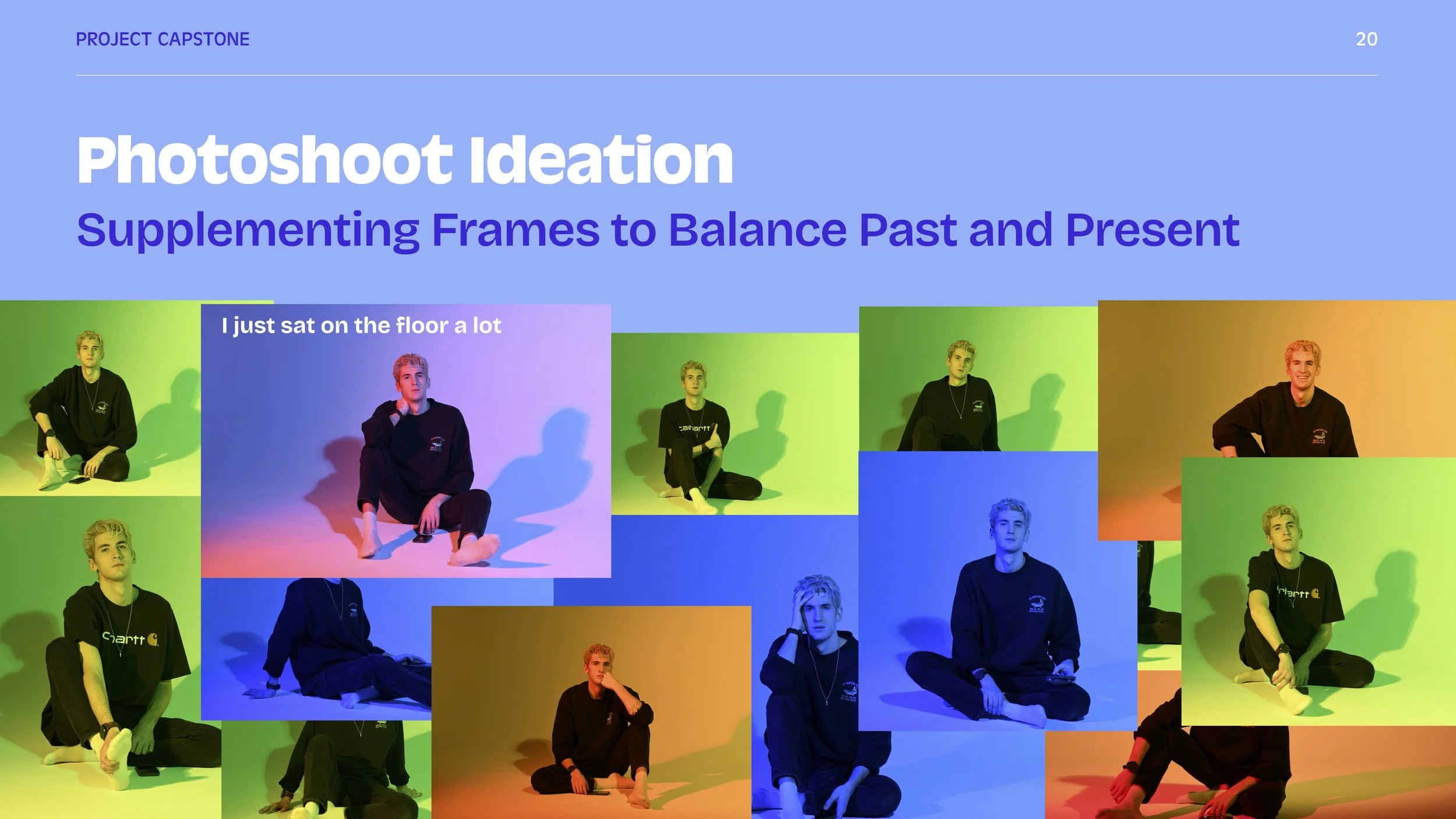
A look into the process
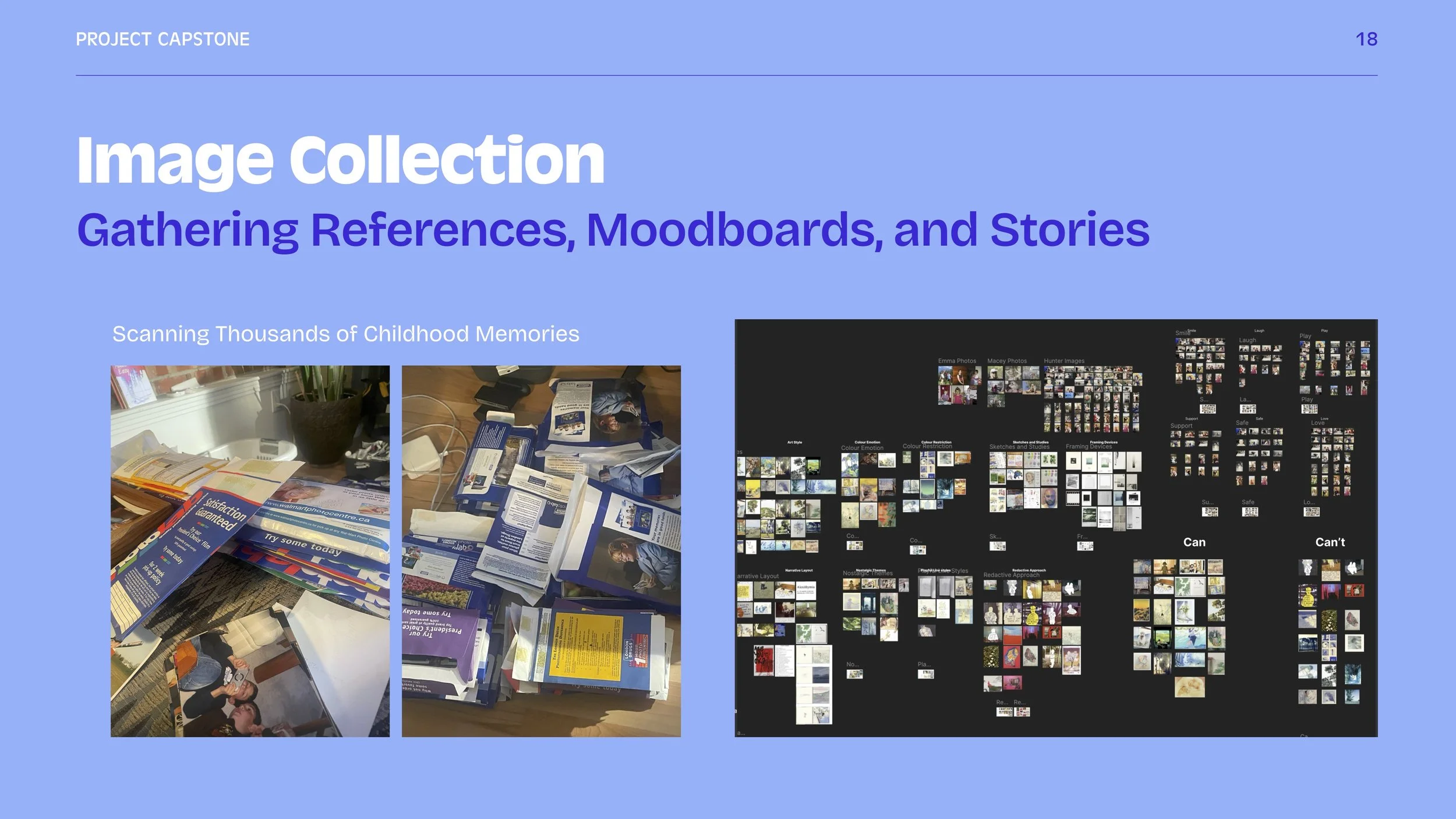
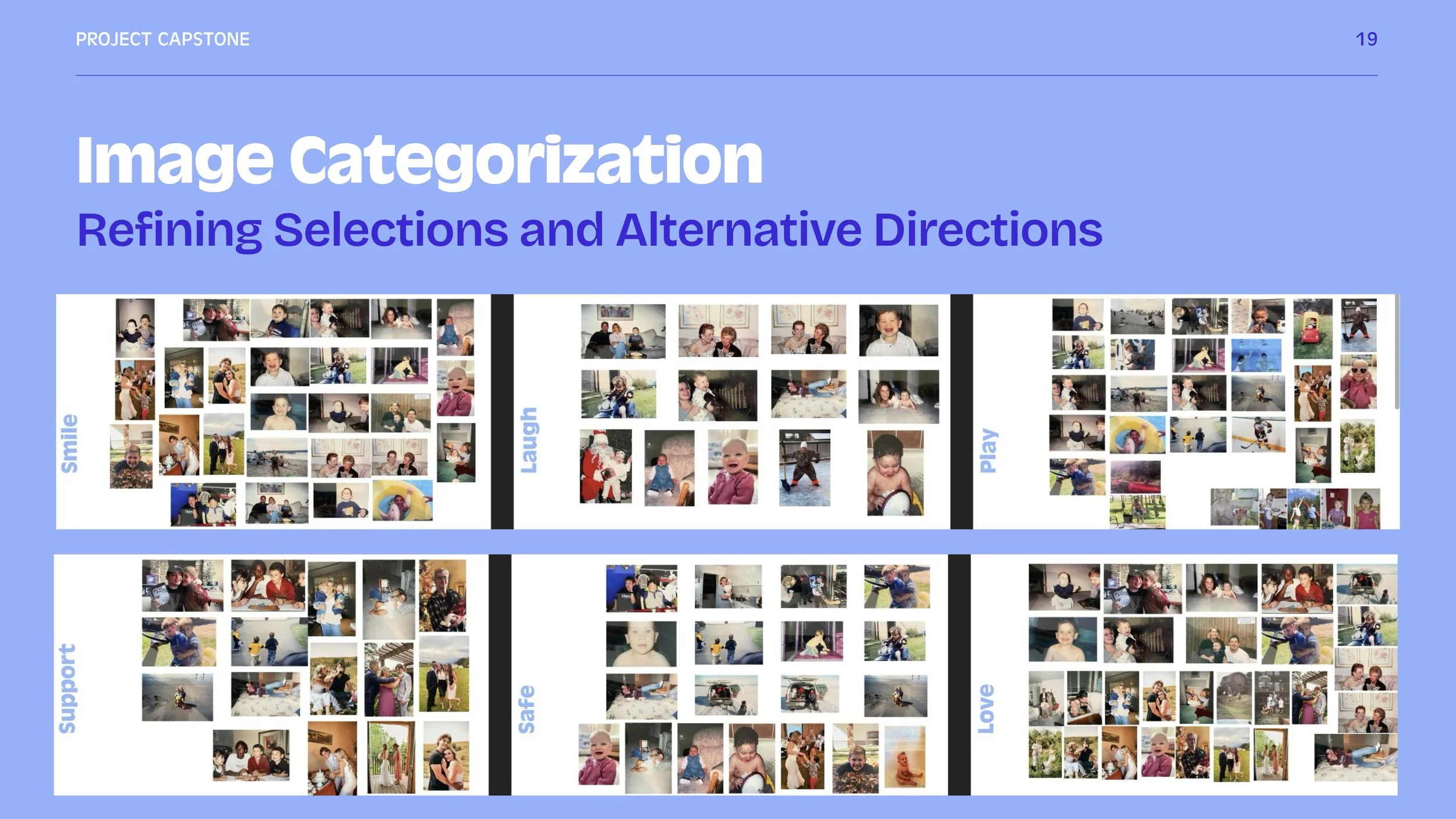
Postcard Series Collateral.
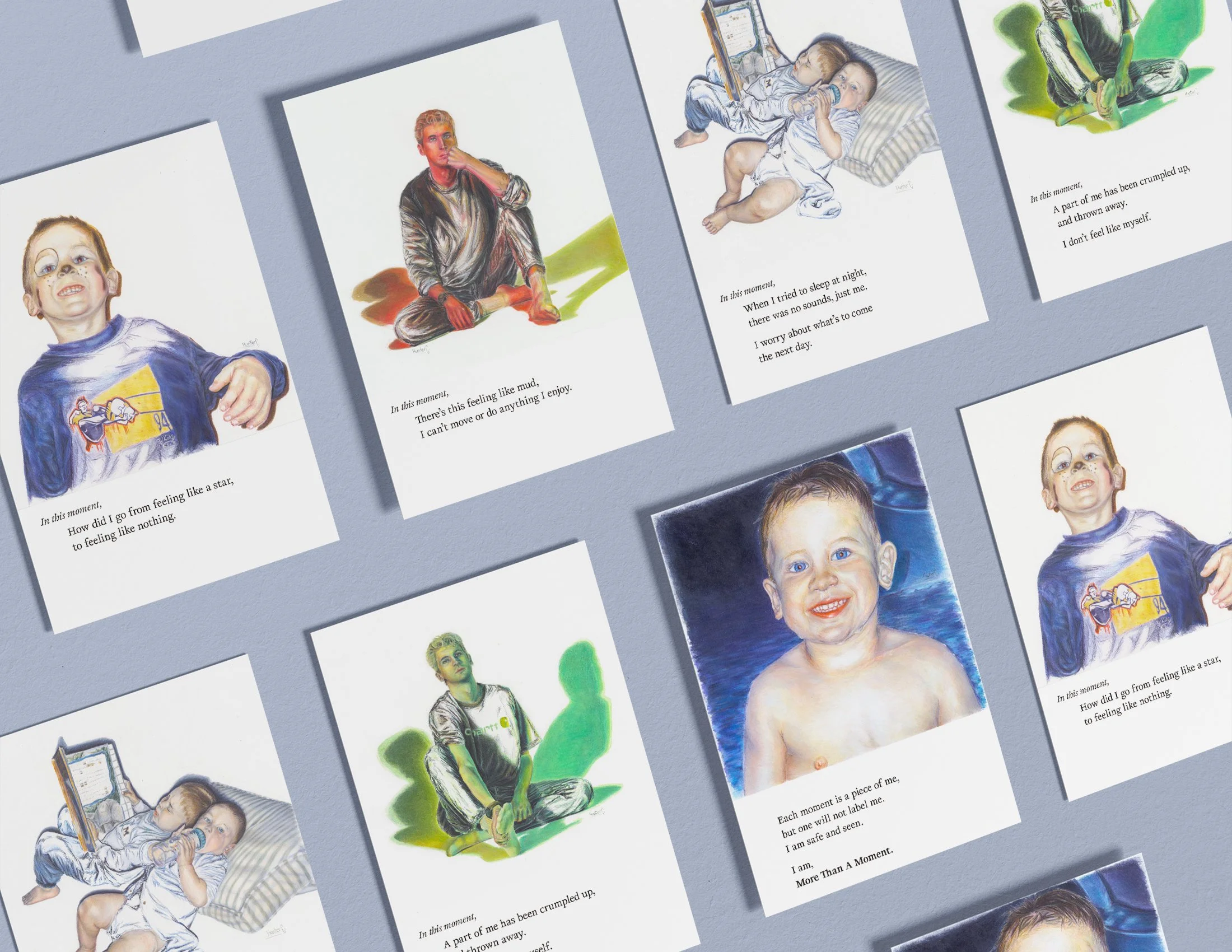
Prints allow shareability.
Giving users the ability to apply their combination of the five-frame order
During each user's interaction with the exhibit, they’ll receive the postcard bundle. Including all five frames in a 5x7 postcard package.
Laying out the postcards.
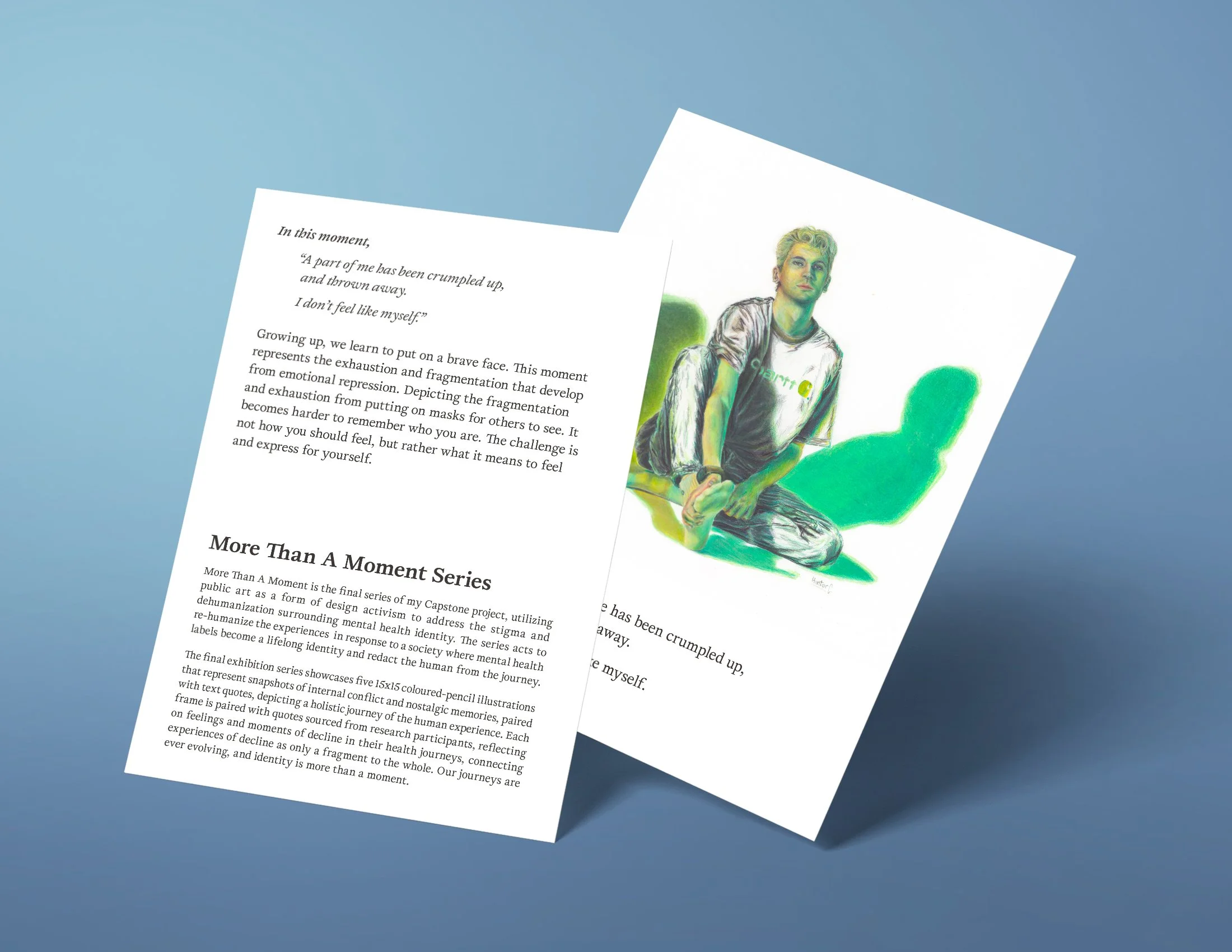
Discover more about the packages’ content and the significance behind each region included on the postcard collateral
-
Each card showcases the quote and image pairings on the front side.
Each image is included in a 5x5 frame, allowing the user to use the standard square frame dimension to take each miniature and frame it in their home afterwards. -
On the reverse side, the quote is repeated, followed by the artist's statement on each piece's importance in the series.
The description allows space to further address mental health topics, express and educate on moments and feelings of decline, and humanize the stigma surrounding them.
-
Each card ends with the capstone summary, offering a research-based, academically focused conversation.
The space outlines the research drivers that directed the exhibition series' outcome and the importance of mental health conversations. Highlighting the holistic approach to mental health as a journey, and that identity is More Than a Moment.
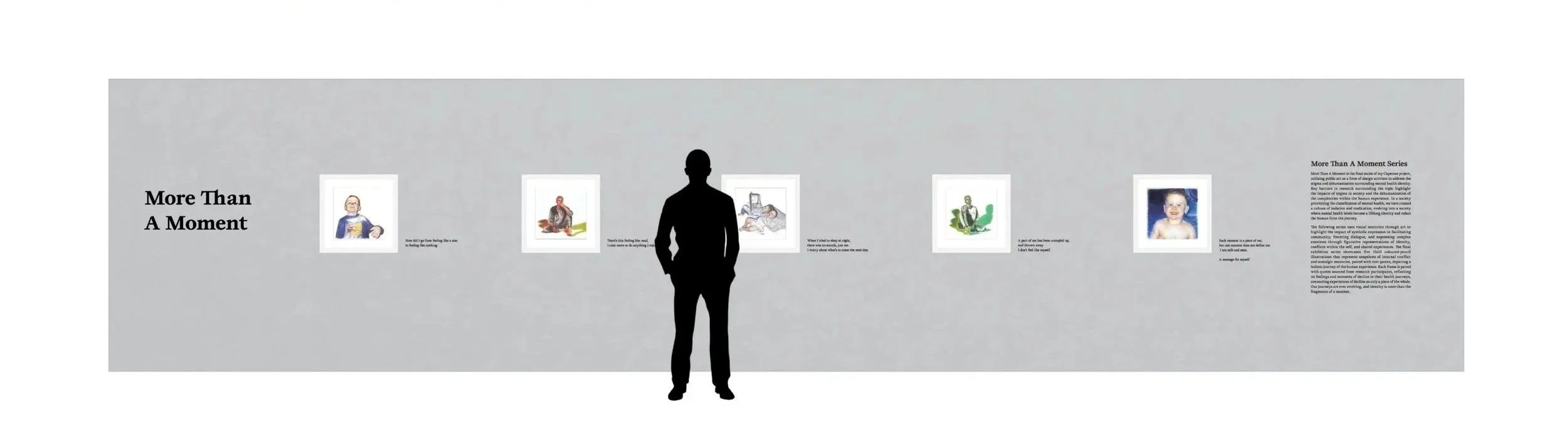
❋ Exhibition Mockup ❋
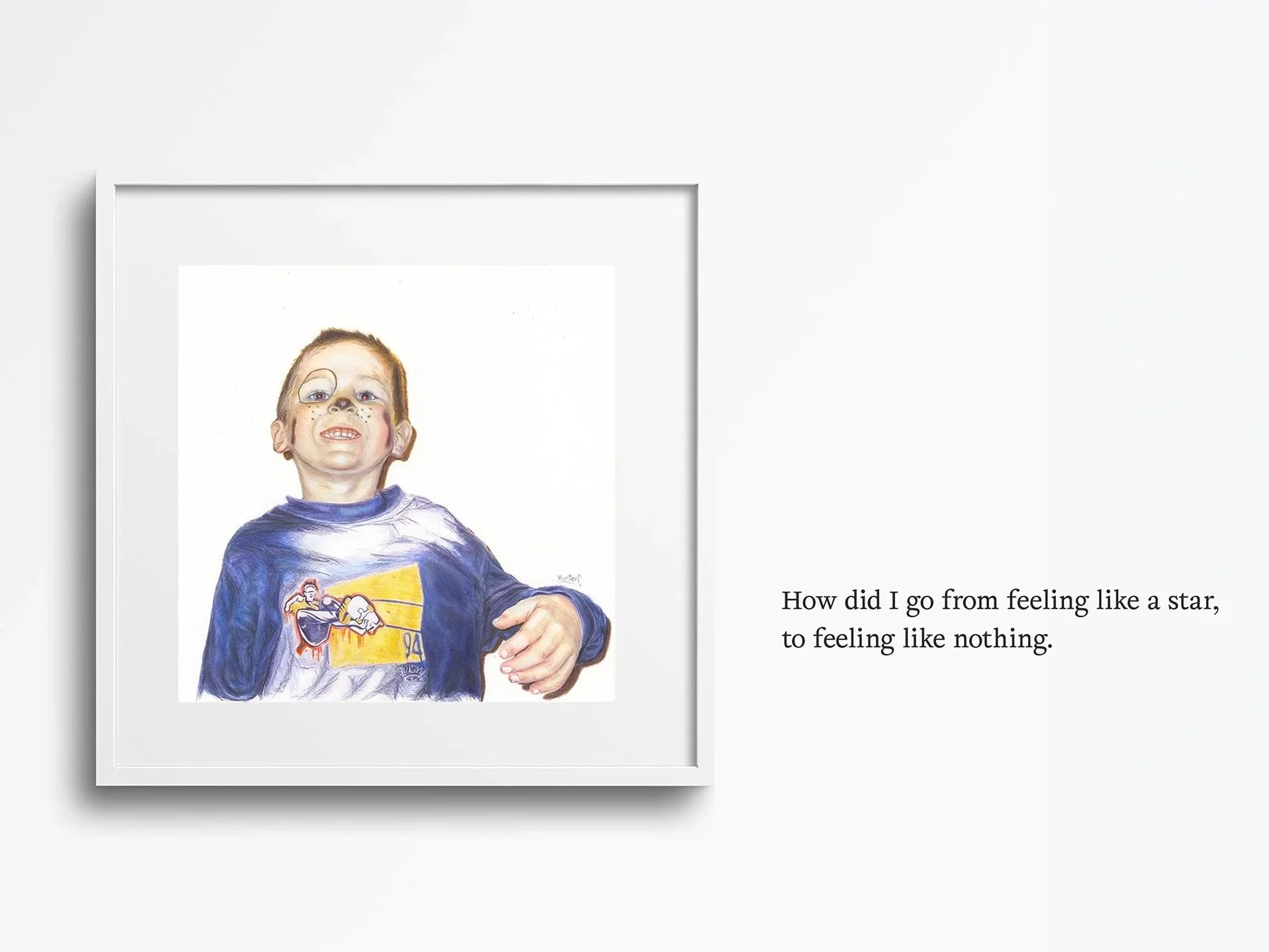
Frame One
-
Reflecting on the emotions of carefree, childlike joy, connecting the pain of detaching from this feeling. Resonating the bittersweet nature of nostalgia towards a moment that has faded out of reach.
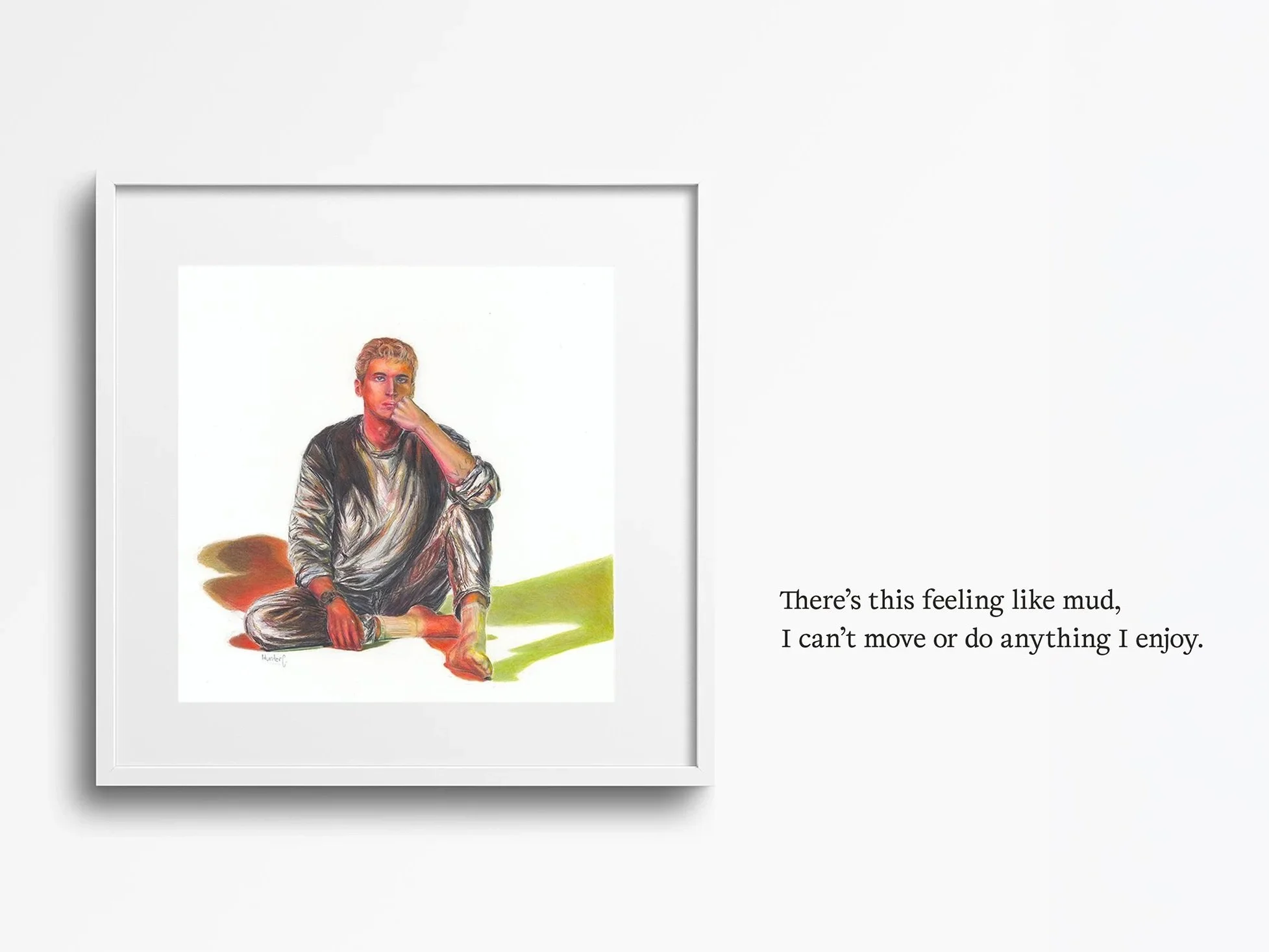
Frame Two
-
Exploring the Psychosomatic experience of mental decline, creating physical impacts on the body’s well-being. Psychosomatic symptoms are the body’s real physical impacts felt from prolonged stress, depression, anxiety, etc., that can result in muscle tension, extreme chest pain, headaches, fatigue, and the physical feeling of a pressure weighing down the body.
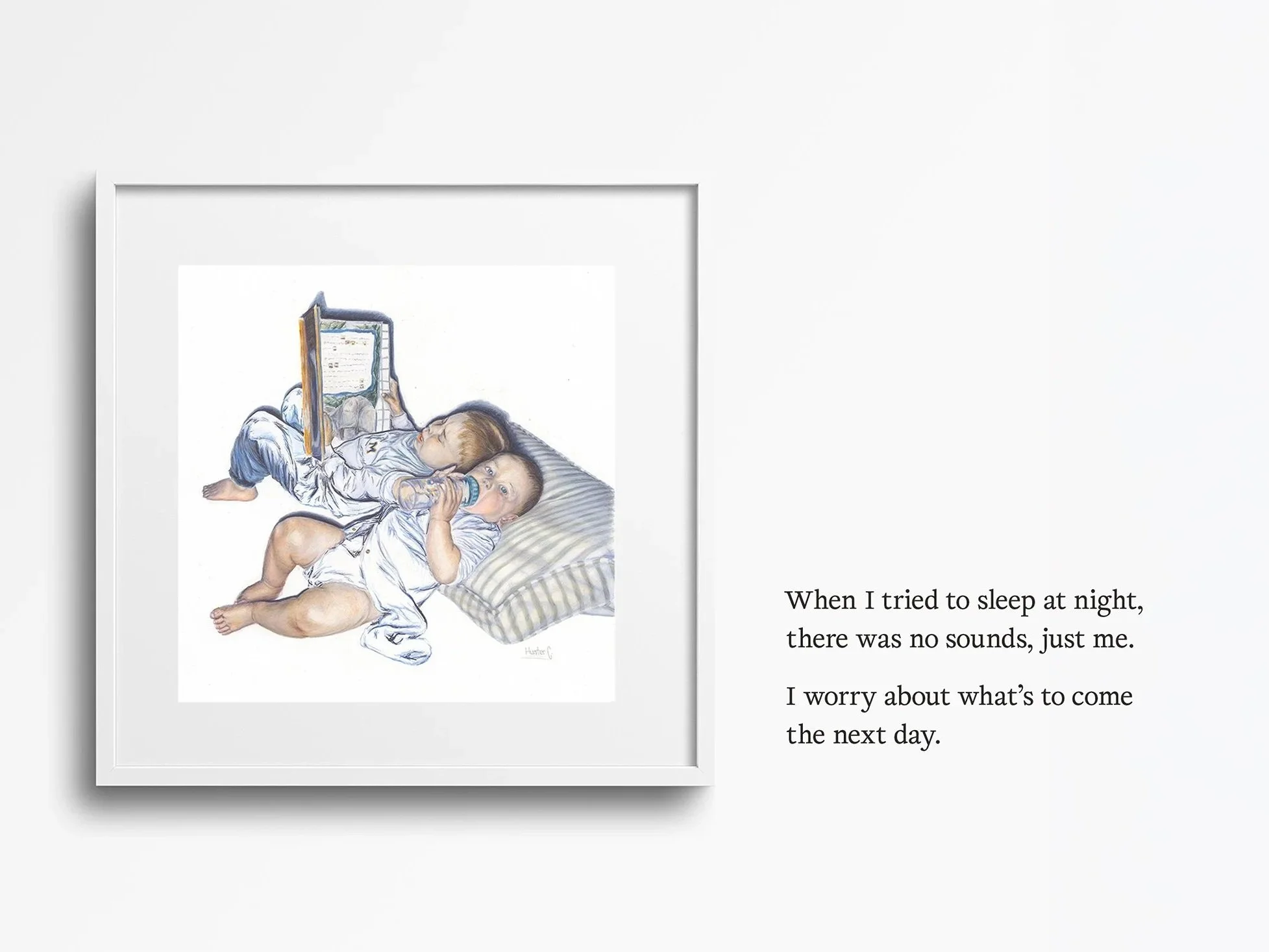
Frame Three
-
The moment of isolation and insomnia. Questioning the battle of exhaustion and the fear of what you might face when you close your eyes. The moment in the dark, engulfing you. Over time, it becomes harder to remember what it was like to feel safe, protected, and rested.
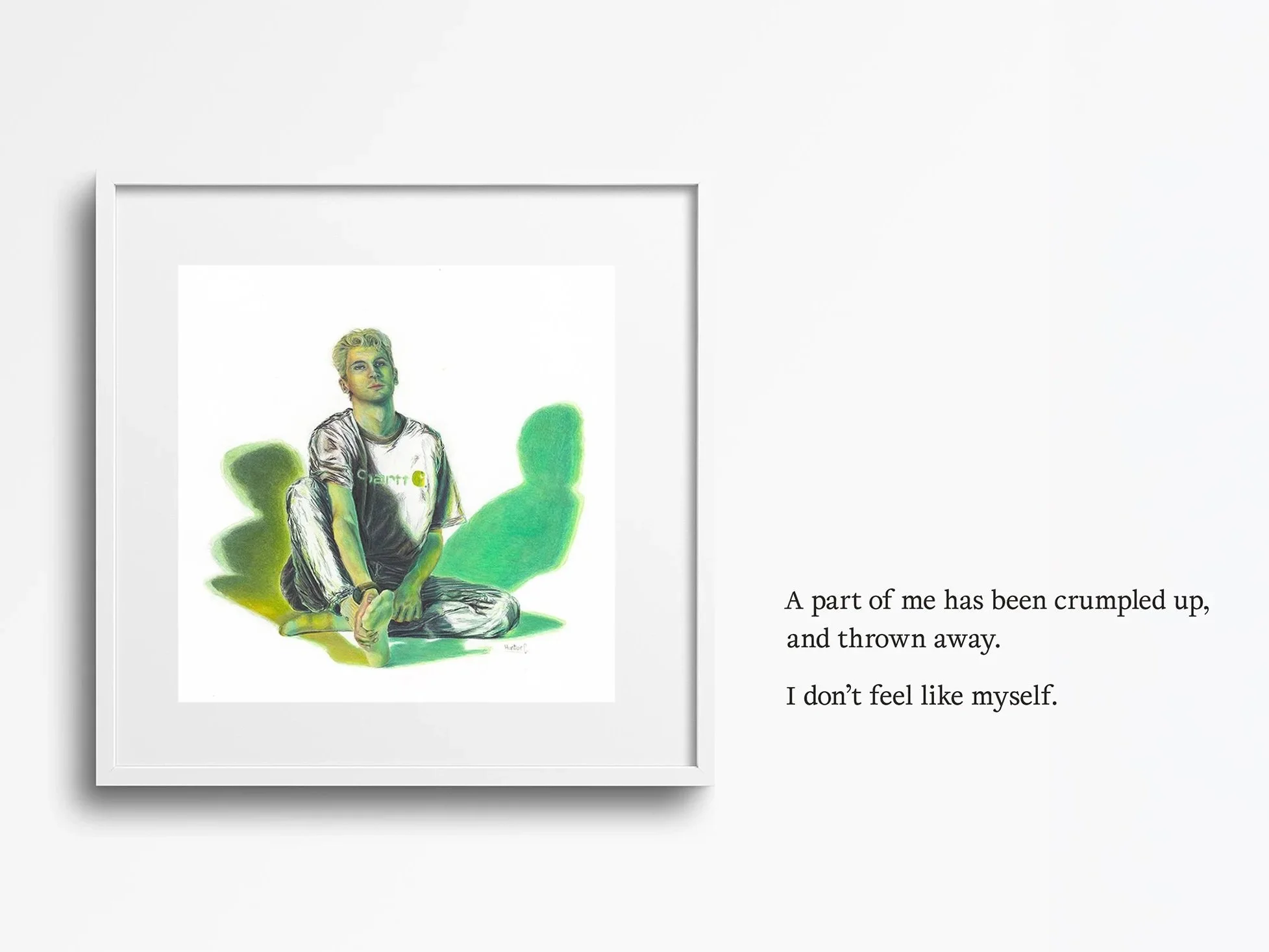
Frame Four
-
Growing up, we learn to put on a brave face. This moment represents the exhaustion and fragmentation that develop from emotional repression. Depicting the fragmentation and exhaustion from putting on masks for others to see. It becomes harder to remember who you are. The challenge is not how you should feel, but rather what it means to feel and express for yourself.
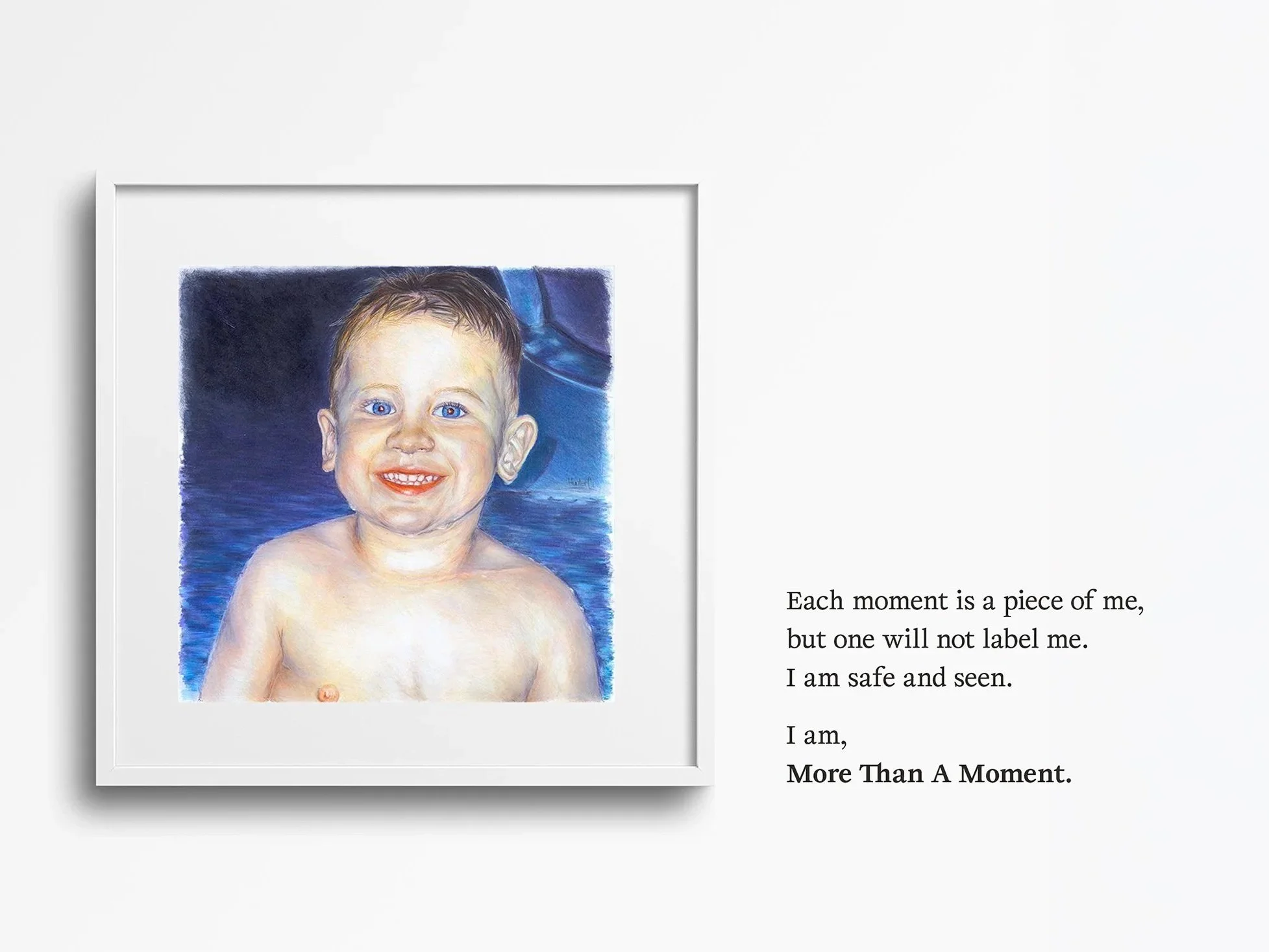
Frame Five
-
The representation of the full picture. The mental health journey is the culmination of the raw and real. It’s every journey depicted, and every emotion experienced. Accepting the good and the bad is what shapes your identity.